
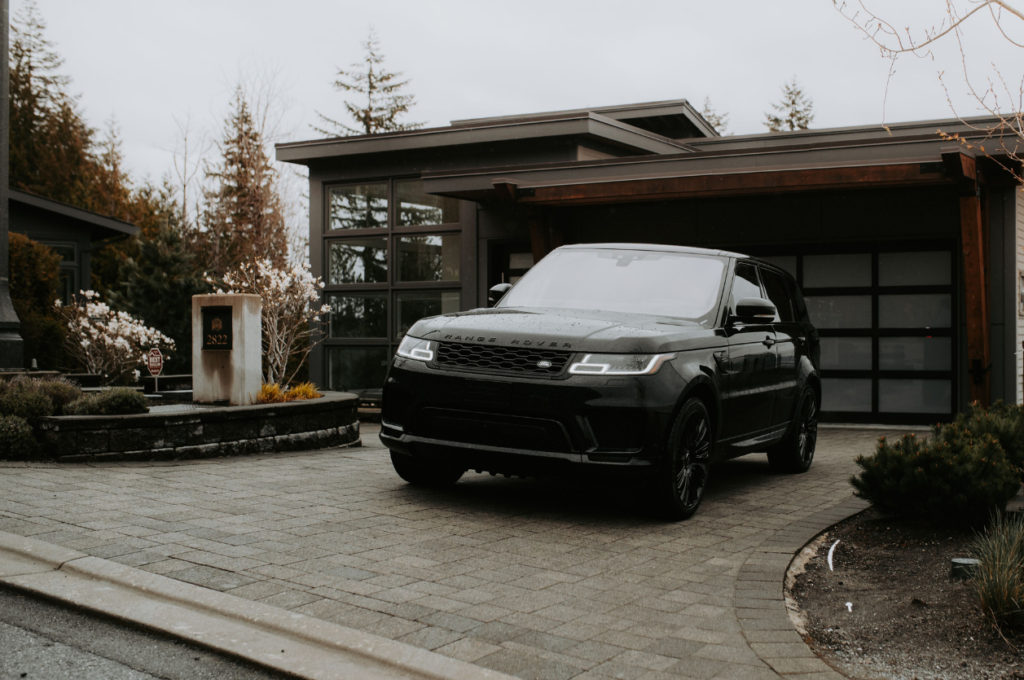
Hey neighbors! Your driveway is one of the most heavily used surfaces on your property. It endures constant traffic, extreme weather, and heavy loads—making material selection crucial for long-term durability and curb appeal. Whether you’re replacing an aging driveway or building a new one, understanding your options will help you make an investment that lasts.
In this guide, we’ll walk you through the best durable driveway materials, their pros and cons, and what to realistically expect from each option.
Concrete: The Modern Standard
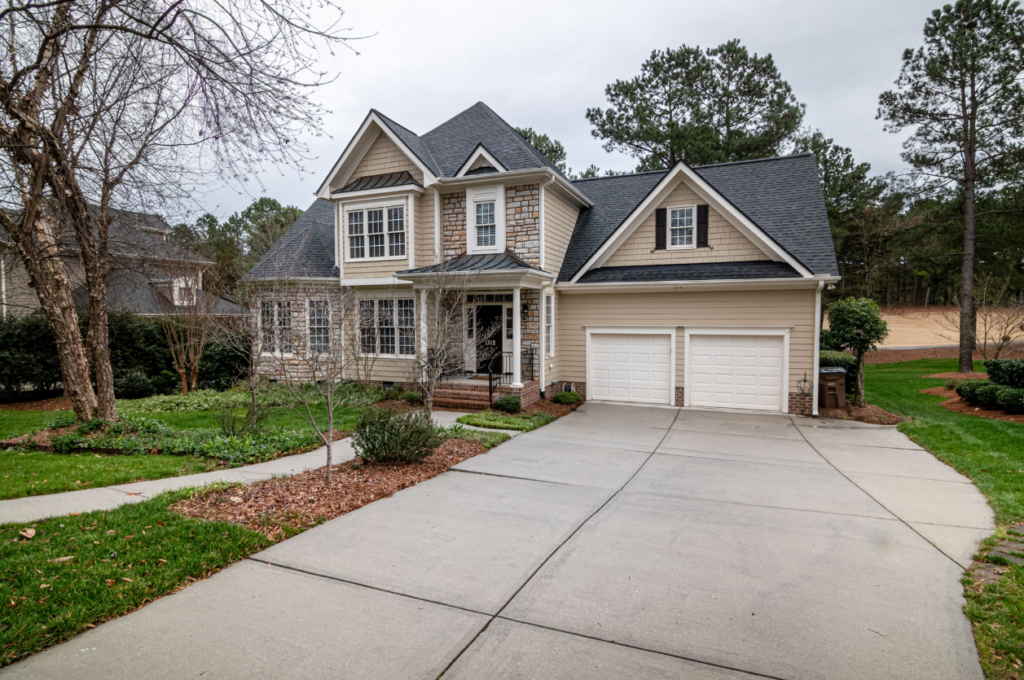
Concrete has become the go-to choice for durability and value. A properly installed concrete driveway can last 25–30 years with minimal maintenance.
What to Expect:
Durability: Concrete is incredibly strong and handles heavy vehicles well. However, freeze-thaw cycles and salt exposure can cause cracking over time.
Maintenance: Seal every 2–3 years. Clean regularly to prevent staining. Minor cracks are normal and don’t compromise functionality.
Cost: Mid-range upfront ($8–15 per square foot installed), but excellent long-term value.
Aesthetics: Plain gray concrete is standard, but you can add colored pigments, stamps, or exposed aggregate finishes for visual interest.
Best For:
Budget-conscious homeowners in most climates who want a low-maintenance, durable surface.
Permeable Pavers: The Eco-Friendly Choice
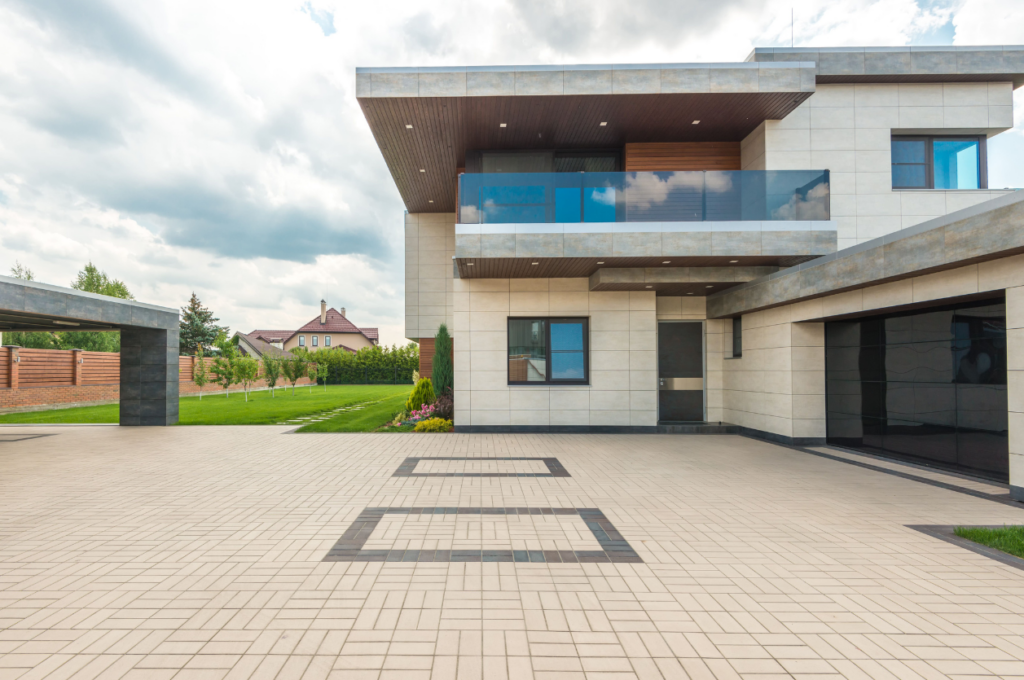
Permeable pavers allow water drainage, reducing flooding and supporting environmental sustainability. They offer excellent curb appeal and customization.
What to Expect:
Durability: 20–25 years with proper installation. Individual pavers can be replaced if damaged without affecting the whole driveway.
Maintenance: Sweep regularly and rinse with a hose. Weeds may grow between pavers and require occasional removal or herbicide treatment.
Cost: Higher upfront ($15–25 per square foot), but modular repairs keep long-term costs reasonable.
Aesthetics: Highly customizable with colors, patterns, and materials. Creates a sophisticated, upscale appearance.
Best For:
Eco-conscious homeowners, properties in areas with flooding concerns, and those prioritizing visual appeal.
Gravel: The Minimalist Approach
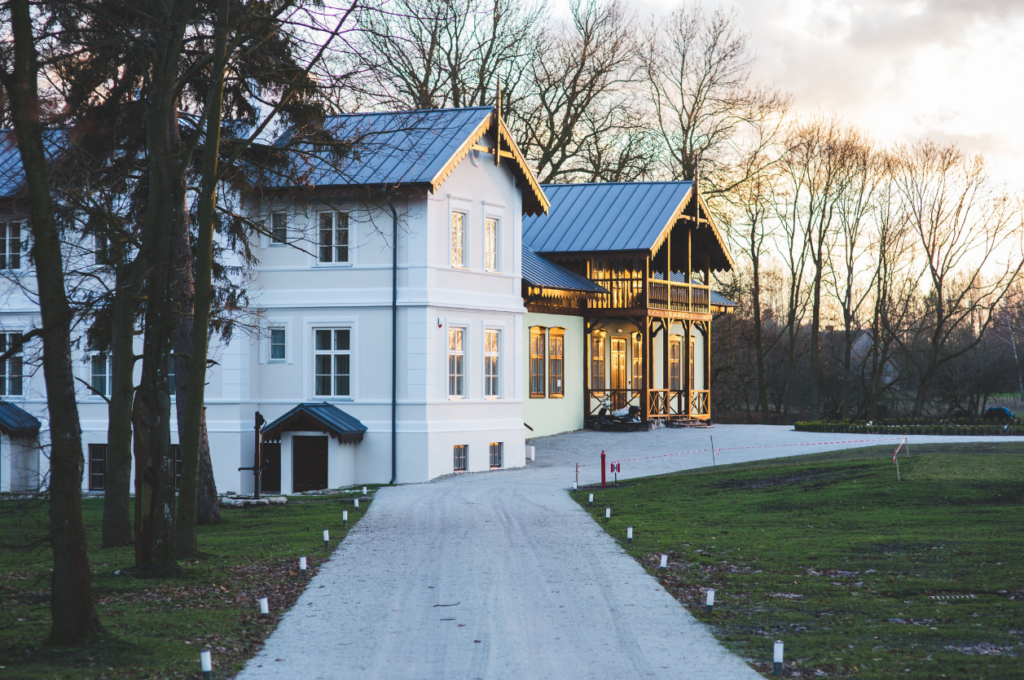
Gravel is the cheapest option upfront and offers excellent drainage.
What to Expect:
Durability: Not particularly durable. Requires constant maintenance and complete replacement every 3–5 years.
Maintenance: Regular raking, topping up lost gravel, and weed control are essential. High-traffic areas rut quickly.
Cost: Extremely low initial cost ($1–3 per square foot), but frequent replacement adds up.
Appearance: Rustic, natural look. Inconsistent appearance over time.
Best For:
Rural properties, temporary driveways, or homeowners with very tight budgets accepting frequent maintenance.
Asphalt: The Quick-Setting Option
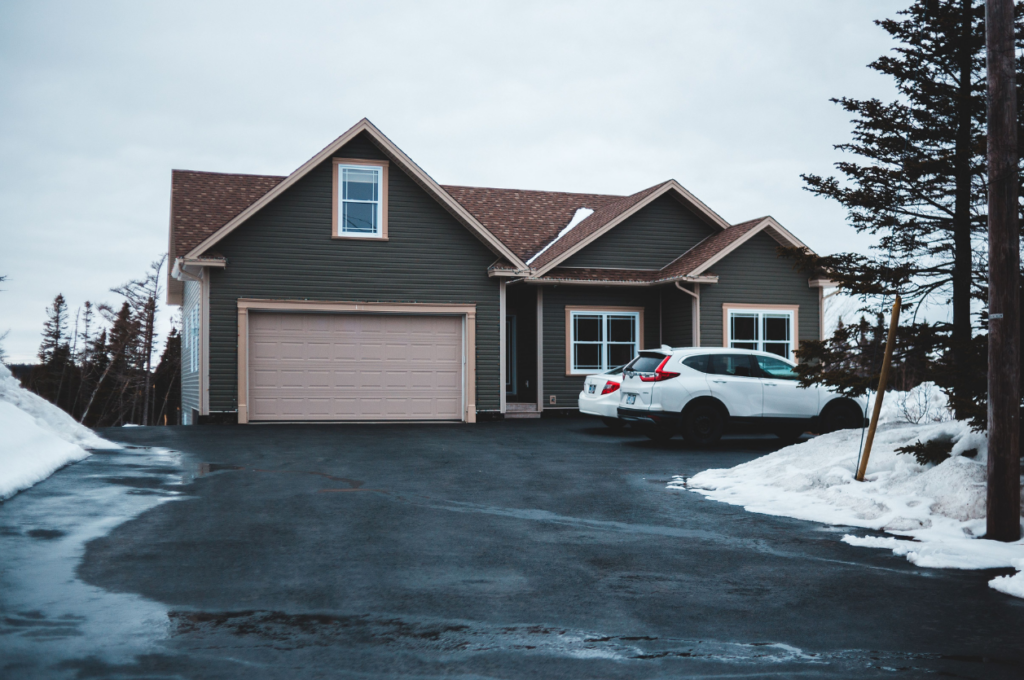
Asphalt driveways are quick to install and initially affordable. They’re especially popular in northern climates where they perform well.
What to Expect:
Durability: Asphalt typically lasts 15–20 years. It’s susceptible to cracking in extreme heat and becoming brittle in cold climates.
Maintenance: This requires more attention than concrete. You’ll need seal coating every 2–3 years and patching cracks promptly to prevent water damage.
Cost: Lower initial investment ($5–10 per square foot), but higher lifetime costs due to frequent maintenance.
Appearance: Dark surface that shows tire marks and dust readily.
Best For:
Homeowners in cooler climates looking for quick installation and lower upfront costs who don’t mind regular maintenance.
Final Thoughts
Choosing the right driveway material is one of the best investments you can make in your home. Whether you prioritize durability, cost-effectiveness, or environmental impact, there’s a solution that fits your needs and budget. Ready to transform your driveway? Contact us today for a free estimate and take the first step toward a durable, beautiful driveway that lasts for years to come.