
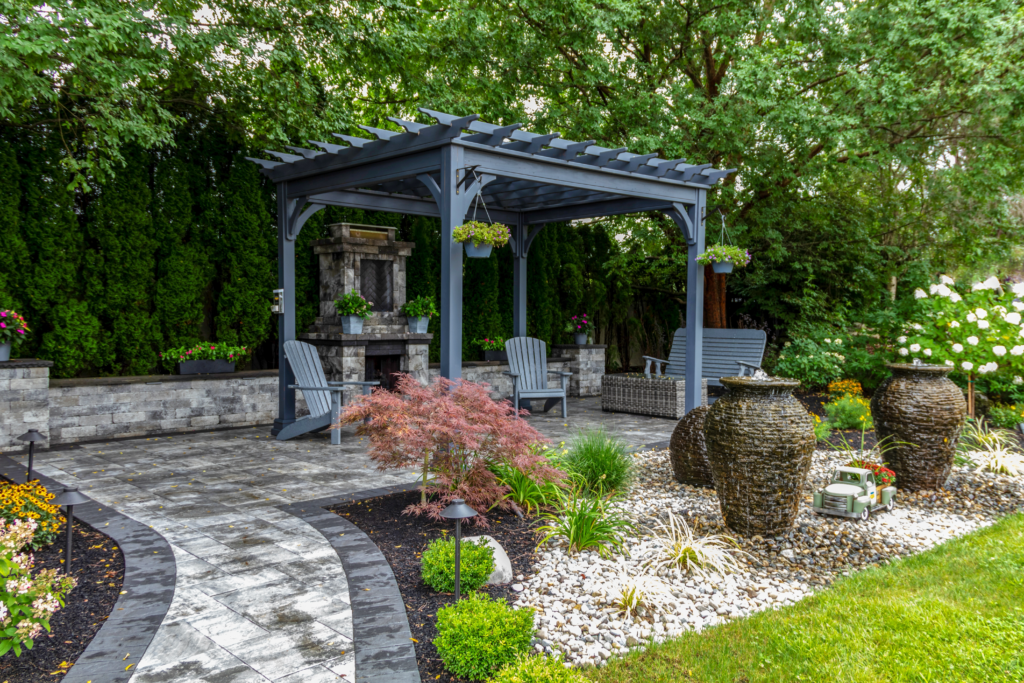
Hey neighbors! When planning an outdoor renovation, one of the biggest decisions is understanding the difference between hardscaping and softscaping. These two elements work together to create a complete landscape — but they serve very different purposes. If you’re improving your outdoor space, knowing how each one functions can help you make smarter design choices, improve usability, and create a yard that looks great year-round. So let’s break it down: hardscaping vs softscaping — what they are, how they differ, and why the right balance matters. Rather watch a video? Click on our YouTube link below!
What is Hardscaping?
So, what is hardscaping? Hardscaping simply refers to the non-living, structural elements of an outdoor space.
This includes things like:
- Concrete patios
- Walkways
- Driveways
- Retaining walls
- Paver systems
- Stone steps
- Seating walls
- Outdoor kitchens
- Fire pits
- Masonry borders and columns
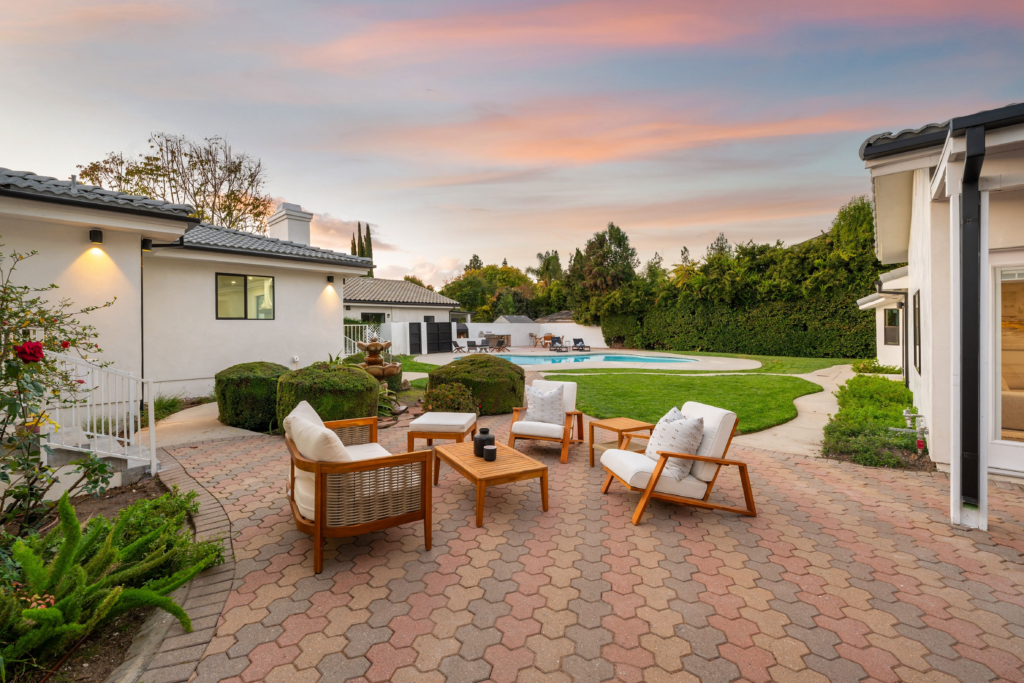
These are the built features that give your yard structure, function, and long-term durability. One thing many homeowners don’t realize is that hardscaping does more than just improve appearance — it helps define how you actually use the space. A well-designed patio can create a place to gather, a retaining wall can help manage elevation changes, and a walkway can improve accessibility and flow throughout the property. For outdoor renovation projects, hardscaping often becomes the backbone of the design.
What is Softscaping?
So, what is softscaping? Softscaping includes the living, growing parts of a landscape.
This can include:
- Grass
- Trees
- Shrubs
- Flowers
- Ground cover
- Plants
- Mulch beds
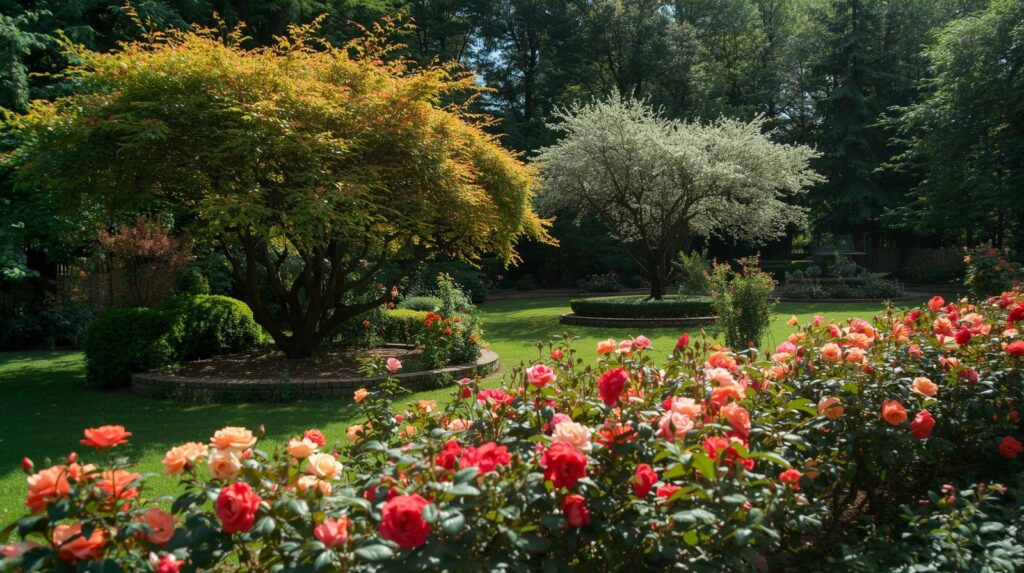
Softscaping adds color, texture, movement, and natural beauty to an outdoor environment. It also helps soften the look of more structured areas like concrete patios, masonry walls, and stone walkways. Without softscaping, a yard can sometimes feel too rigid or unfinished. A little-known benefit of softscaping is that it can help with temperature, shade, and visual balance. Trees and plants can make outdoor spaces feel cooler and more inviting, especially when paired with strong hardscape features.
Hardscaping Vs Softscaping: The Main Difference
The simplest way to understand the difference is this:
- Hardscaping is the built structure
- Softscaping is the living landscape
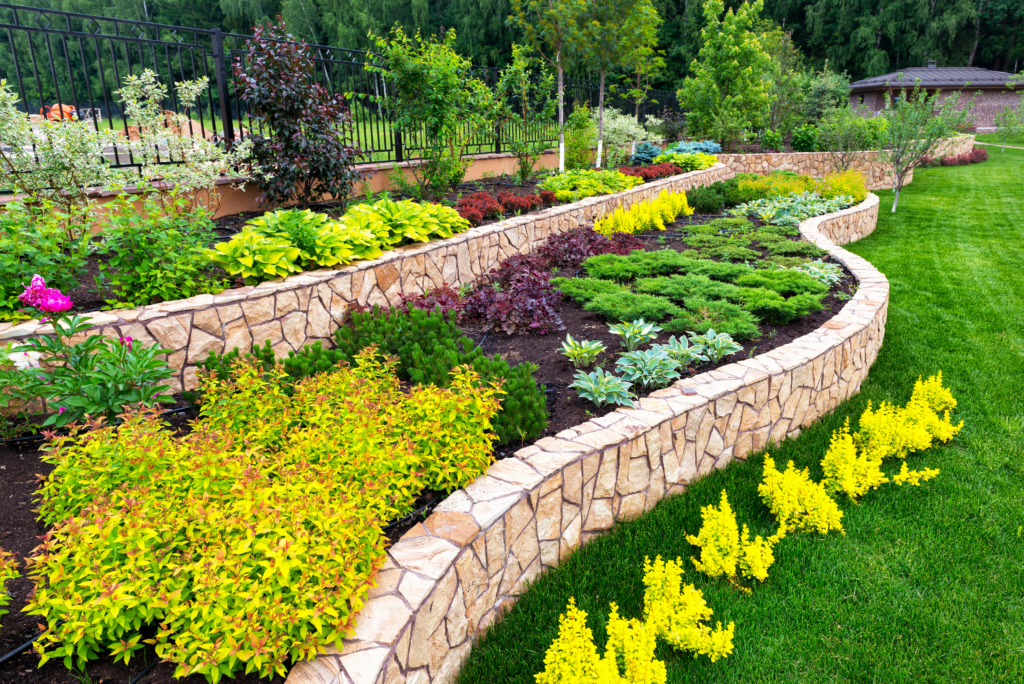
Hardscaping gives your outdoor space shape, support, and function. Softscaping adds life, color, and natural appeal.
They’re not competing elements — they work best together.
For example, a concrete patio may create the perfect entertaining area, but when it’s surrounded by shrubs, garden beds, and greenery, the space feels more complete and welcoming. A masonry retaining wall can solve a grade issue, but when it’s paired with plantings, it blends more naturally into the yard.
That balance is what turns a basic renovation into a polished outdoor living space.
Why Hardscaping Matters In Outdoor Renovation
So, why does hardscaping matter? Hardscape elements are often the most important part of an outdoor renovation because they provide:
- Structure
- Durability
- Drainage control
- Usable space
- Visual definition
- Long-term value
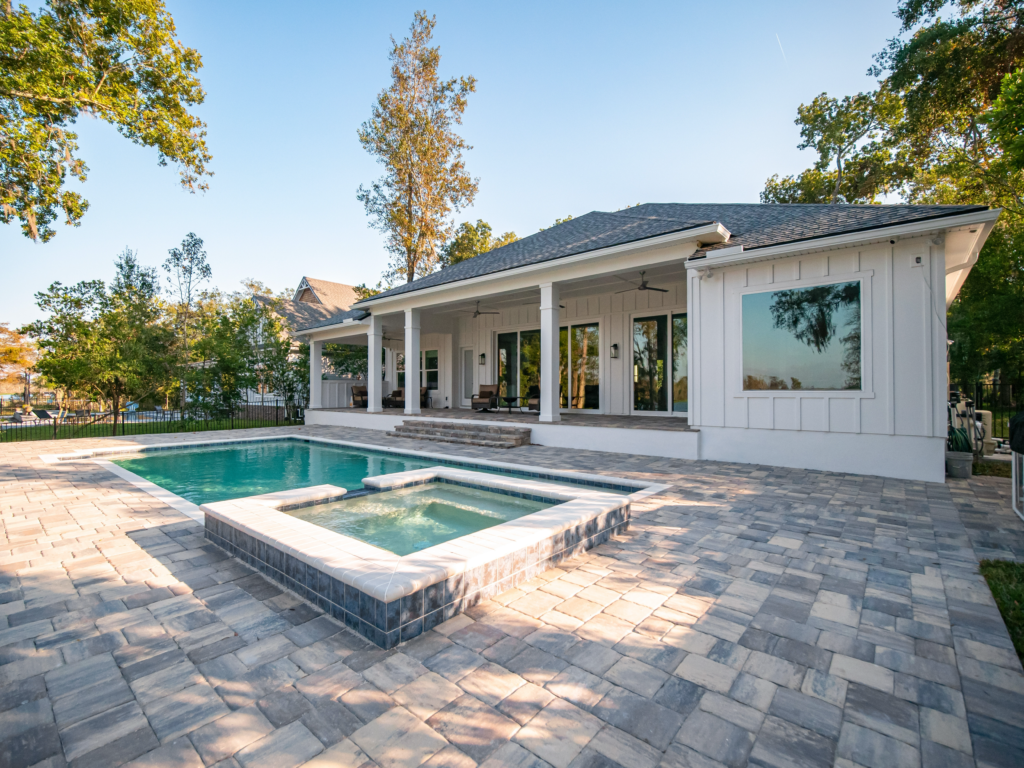
A properly installed concrete or masonry feature can last for years while supporting everyday use. Whether it’s a patio, retaining wall, driveway, or outdoor seating area, hardscaping creates the framework that makes the rest of the landscape work.
One thing many people overlook is how much planning goes into hardscaping beneath the surface. Grading, base preparation, drainage, and material selection all play a major role in how well the finished project performs over time.
Why Softscaping Matters Too
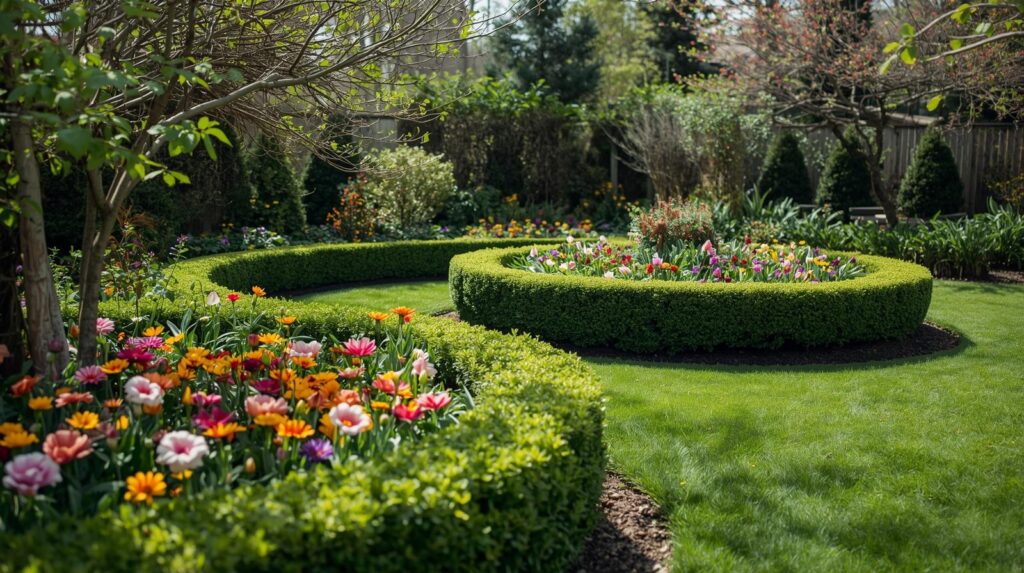
Even though hardscaping is the foundation, softscaping is what brings warmth and life to the space. Plants and greenery help break up large surfaces like concrete and stone, making the environment feel more natural and inviting. They can also help frame hardscape features and highlight focal points in the design. For example, a masonry walkway bordered by low-maintenance plantings can feel much more finished than the same walkway on its own. A patio surrounded by trees or garden beds can feel more private and comfortable. In other words, softscaping is what helps hardscaping feel integrated into the landscape instead of standing apart from it.
The Best Outdoor Designs Use Both
The strongest outdoor renovation projects usually combine hardscaping and softscaping in a thoughtful way. Hardscape features provide the base, while softscape elements bring in balance and personality.
A great example would be:
- A concrete patio for gathering
- A masonry fire pit for warmth and focal appeal
- Retaining walls for shape and elevation control
- Plant beds and shrubs around the perimeter for softness and color
- Trees for shade and privacy
When these elements work together, the outdoor space becomes more functional, more attractive, and more enjoyable throughout the seasons. If you have any questions or need a project completed, don’t hesitate to contact us!