
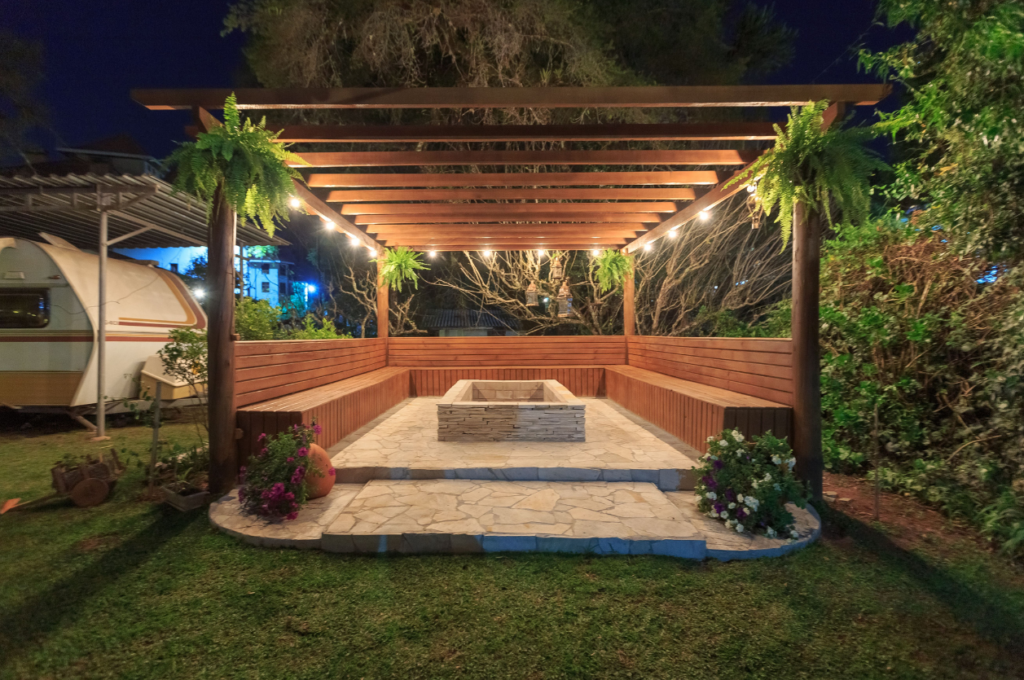
Hey neighbors! When planning an outdoor remodeling project, one of the most critical decisions you’ll make is choosing the right materials. Durability isn’t just about longevity—it’s about protecting your investment, minimizing maintenance headaches, and ensuring your outdoor space remains beautiful for years to come. This guide breaks down the best materials for various outdoor projects and what homeowners should realistically expect.
Why Material Selection Matters for Outdoor Projects
Outdoor spaces face constant exposure to:
- Weather fluctuations (rain, snow, UV rays, temperature swings)
- Moisture and humidity (leading to rot, rust, and deterioration)
- Foot traffic and wear (decks, patios, pathways)
- Salt spray (if near coastal areas)
Choosing inferior materials might save money upfront but often costs significantly more in repairs and replacements down the road.
Best Materials by Project Type
1. Decking & Outdoor Flooring
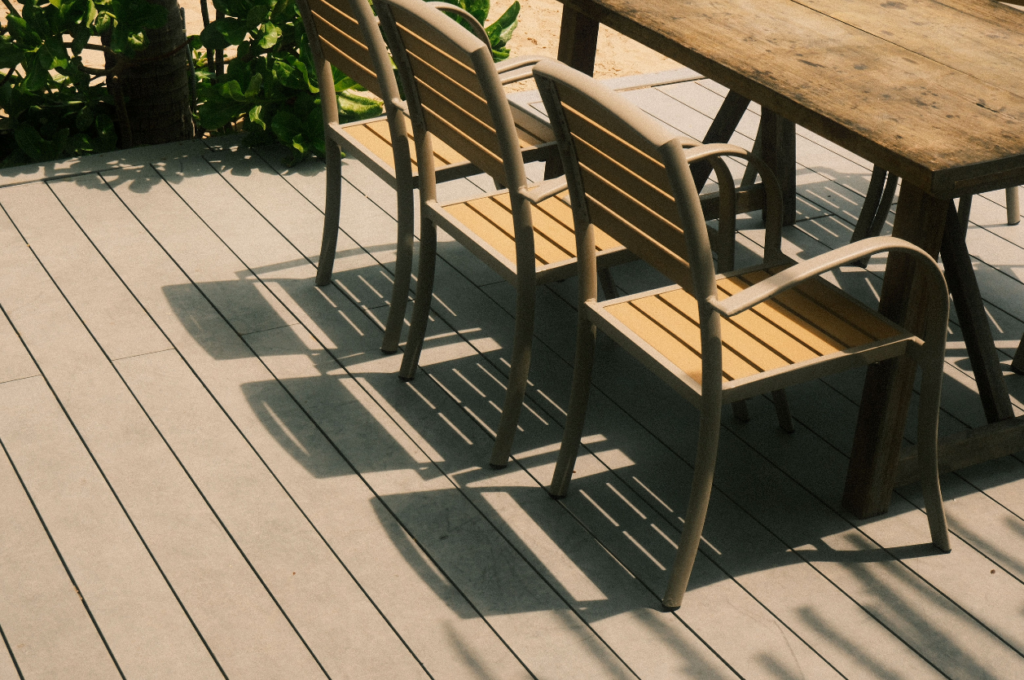
Composite Decking
- What to expect: Blend of wood fibers and plastic polymers
- Durability: 25-30+ years with minimal maintenance
- Pros: Resists rot, won’t splinter, color-fade resistant, low maintenance
- Cons: Higher initial cost ($15-25 per sq. ft. installed)
- Best for: Homeowners who prioritize convenience over tradition
Pressure-Treated Wood
- What to expect: Wood chemically treated for rot resistance
- Durability: 15-20 years
- Pros: Affordable, classic appearance, widely available
- Cons: Requires regular staining/sealing, can warp, splinters possible
- Best for: Budget-conscious homeowners willing to maintain regularly
Tropical Hardwoods (Ipe, Cumaru)
- What to expect: Extremely dense, naturally resistant woods
- Durability: 25-30+ years
- Pros: Beautiful, naturally insect-resistant, minimal maintenance
- Cons: Expensive ($20-30+ per sq. ft.), heavy, requires specialized tools to install
- Best for: High-end projects where aesthetics and durability justify premium pricing
Aluminum Decking
- What to expect: Lightweight metal alternative
- Durability: 30+ years
- Pros: Completely rot and insect-proof, minimal maintenance, lightweight
- Cons: Can be slippery when wet, less traditional aesthetic
- Best for: Modern designs or coastal properties
2. Outdoor Patios & Hardscaping
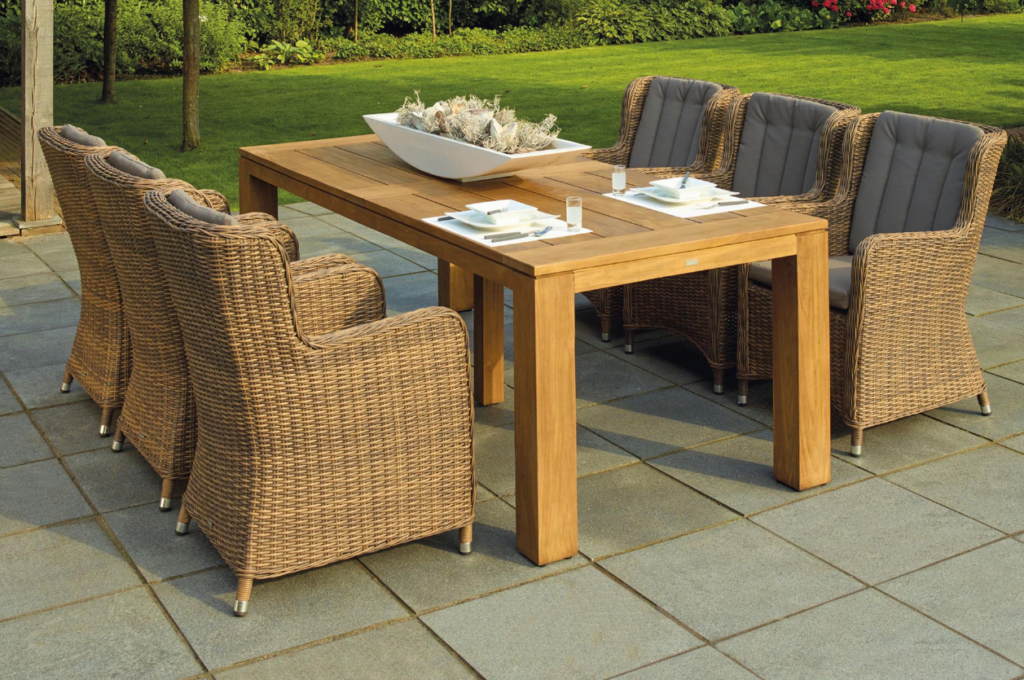
Porcelain Pavers
- What to expect: High-fired ceramic tiles designed for outdoor use
- Durability: 25+ years (potentially lifetime with proper care)
- Pros: Extremely dense, frost-resistant, stain-resistant, available in countless designs
- Cons: Higher cost ($10-20+ per sq. ft. installed), can crack under extreme pressure
- Best for: Modern aesthetic, areas with freeze-thaw cycles
Natural Stone (Flagstone, Slate, Granite)
- What to expect: Quarried stone with natural variation
- Durability: 30+ years (often much longer)
- Pros: Unique appearance, excellent slip resistance when sealed, timeless beauty
- Cons: Higher cost, requires periodic resealing, can be uneven
- Best for: Traditional designs, high-traffic areas
Stamped Concrete
- What to expect: Concrete with decorative patterns pressed into surface
- Durability: 20-30 years
- Pros: Affordable ($8-15 per sq. ft.), highly customizable, durable
- Cons: Can crack, requires resealing every 2-3 years, stains visible
- Best for: Budget-friendly projects with long-term appeal
Permeable Pavers
- What to expect: Pavers designed to allow water drainage
- Durability: 20-25 years
- Pros: Eco-friendly, reduces drainage issues, prevents flooding
- Cons: Weeds can grow through, requires sand maintenance
- Best for: Environmentally-conscious homeowners, areas with drainage concerns
3. Outdoor Roofing & Shade Structures
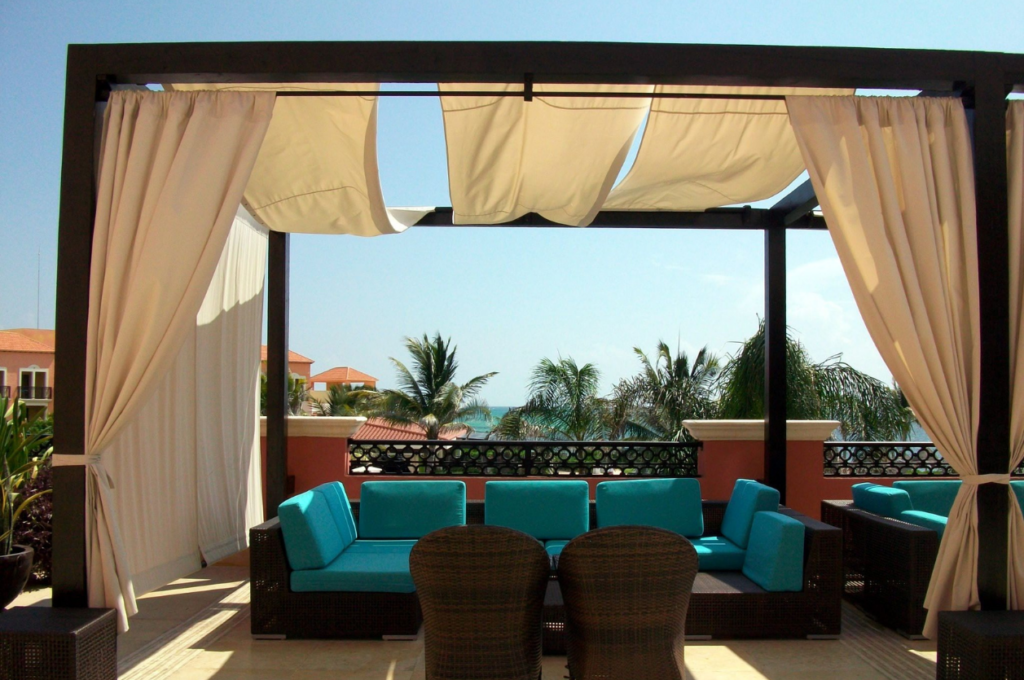
Metal Roofing
- What to expect: Aluminum, steel, or copper panels/shingles
- Durability: 40-70 years
- Pros: Extremely durable, energy-efficient, lightweight, excellent for snow/rain shedding
- Cons: Can be noisy in rain, higher upfront cost
- Best for: Gazebos, pergolas, and outdoor structures in harsh climates
Polycarbonate Panels
- What to expect: Transparent or translucent plastic sheets
- Durability: 10-20 years (varies by UV treatment)
- Pros: Lightweight, allows light through, affordable
- Cons: Yellows over time, can become brittle, less durable than other options
- Best for: Temporary structures or budget-conscious shade solutions
Aluminum Pergolas/Louvers
- What to expect: Adjustable or fixed aluminum shade structures
- Durability: 25-30+ years
- Pros: Minimal maintenance, adjustable options available, sleek modern look
- Cons: Higher initial investment
- Best for: Modern homes wanting low-maintenance shade solutions
Final Thoughts
Choosing durable materials for your outdoor remodeling project might require a larger upfront investment, but it’s one of the smartest decisions you can make as a homeowner. Think of it this way: spending an extra $5,000 on composite decking instead of pressure-treated wood means you’ll avoid costly repairs, refinishing work, and eventual replacement for decades to come.
The key is matching the right material to your specific situation. Consider your climate, your lifestyle, how much maintenance you’re willing to do, and your long-term plans for the space. A coastal homeowner needs different solutions than someone in a dry desert climate. A busy family with young children has different priorities than a retiree who enjoys weekend projects.