
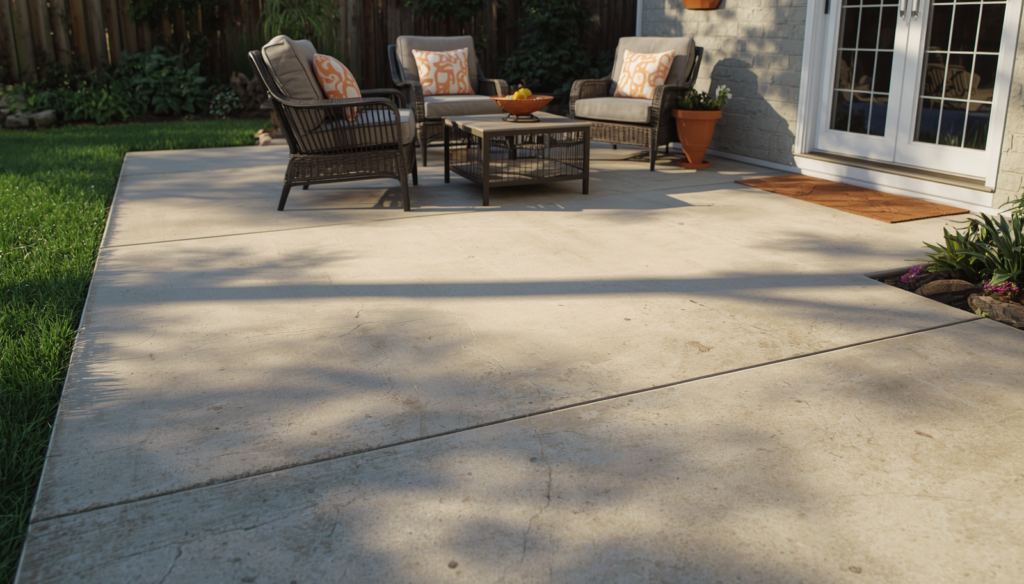
Hey neighbors! Today, I want to walk you through the surprising culprits behind concrete damage so you can protect the outdoor spaces you’ve worked hard to create. Because understanding these cracks isn’t just about fixing problems; it’s about reclaiming the peace of mind that comes with a well-maintained home.
Let’s start with the basics. Concrete seems indestructible, right? It’s made from cement, water, sand, and aggregates—a combination that creates one of the most durable building materials we have. But here’s what most people don’t realize: concrete isn’t a static material. It’s actually alive in a sense, constantly responding to its environment.
And that’s where trouble begins. Rather watch a video? Click on our YouTube link below!
The Hidden Culprits: Why Concrete Cracks (And How to Stop It)
1. Shrinkage Cracks: The Most Common Culprit
When fresh concrete is poured into your driveway or patio, something invisible starts happening immediately. A chemical reaction called hydration begins, and as the concrete cures, it loses moisture. As it loses that moisture, it shrinks—just slightly, but enough to matter.
Think of it like drying clay. If it dries too quickly and unevenly, it cracks. The same happens with concrete.
The fix? Proper curing is essential. Keep the surface moist during the curing process and use proven techniques that slow down water loss. This isn’t something to rush. Good contractors know this, and they take their time to do it right.
2. Temperature Changes: Your Concrete’s Hidden Stress
Here’s something that catches people off guard: your concrete expands in summer heat and contracts in winter cold. Depending on where you live, these temperature swings can be dramatic. That constant movement creates internal stress, like a muscle repeatedly tensing and relaxing until it finally tears.
In areas with harsh winters or scorching summers, this stress accumulates year after year.
The solution? Expansion joints. These strategic gaps allow your concrete to move freely without that stress transferring into cracks. It’s a small investment that pays massive dividends over time.
3. The Weight Problem: What You’re Really Putting on Your Concrete

This one surprises homeowners regularly. You park your truck on the driveway every day, store heavy equipment on the patio, or let contractors’ vehicles sit there during a project. Your concrete has weight limits—and when you exceed them, the structural integrity suffers.
Heavy loads create stress points, and stress points become cracks.
What you need to know: Before any concrete work, discuss your intended use. Heavy vehicle parking? Regular equipment storage? These details matter. Sometimes the solution is reinforcing the concrete or using thicker slabs. Sometimes it’s planning where you park differently. Either way, prevention beats repair.
4. Soil Movement: The Foundation of the Problem
Here’s something most homeowners never think about: the ground beneath your concrete matters as much as the concrete itself. If soil isn’t properly compacted before pouring, it can settle and shift over time. Erosion, shifting earth, or even root growth can cause the ground to move unevenly.
When the foundation moves, the concrete on top moves with it—and that’s where cracks form.
The prevention: Professional site preparation is non-negotiable. This is why the cheapest contractor isn’t always the best contractor. Proper soil compaction and grading might seem like overkill, but it’s the difference between a patio that lasts 10 years and one that lasts 30.
5. Water Damage: The Freeze-Thaw Cycle That Destroys
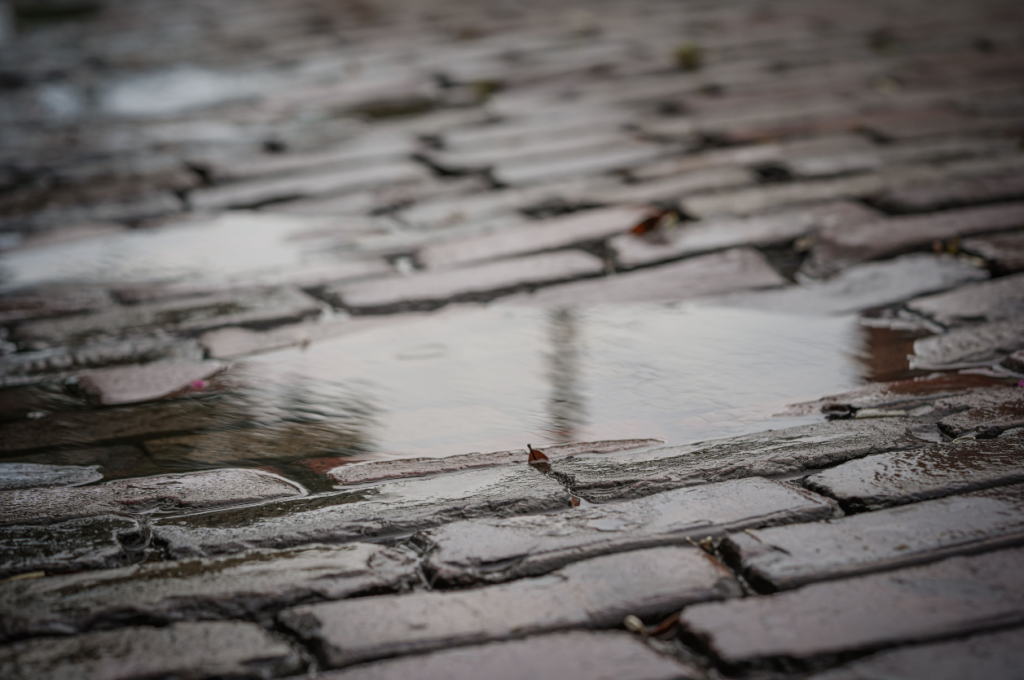
Water Damage: The Freeze-Thaw Cycle That Destroys
Water is necessary for concrete’s initial strength, but excess water is its enemy. Here’s where it gets serious: when water seeps into micro-cracks and then freezes, it expands with tremendous force. This expansion pushes the concrete apart from the inside out—a process called freeze-thaw damage.
In cold climates, this is like a slow-motion explosion happening inside your concrete, year after year.
Your defense: Ensure proper drainage around all concrete surfaces. Direct water away from your patio and driveway. If you live in a freeze-thaw climate, this becomes even more critical.
By now, you know why cracks form. But can you spot them early?
Watch for:
- Hairline cracks (thin, spider-web patterns) that might seem harmless but signal early stress
- Wider cracks (¼ inch or more) that indicate ongoing movement
- Settling cracks (diagonal or step patterns) that show the foundation beneath is shifting
The key is addressing these early. A small crack caught today won’t become a structural problem next year if you address it promptly.
Why This Matters: The Real Cost of Ignoring Concrete Damage
Here’s the emotional truth: your outdoor space is more than just concrete. It’s where you host summer gatherings, where your kids play, where you find peace at the end of a long day. When that space deteriorates, it affects how you feel about your home.
Final Thoughts
Ignored cracks aren’t just cosmetic issues—they’re invitations for bigger problems. Water seeps in, structural integrity weakens, and what started as a simple crack becomes an expensive replacement.
But when you understand why concrete cracks and take preventive steps, you’re protecting more than just your patio. You’re protecting the investment in your home and the moments you’ll enjoy there for decades to come.
At Noble Nest Construction, we don’t just install outdoor spaces. We craft areas designed to last, built with the kind of attention to detail that gives you real peace of mind.
Because you deserve an outdoor space that looks beautiful and stands the test of time.
Ready to protect your outdoor investment?